
Dreams
'Sometimes I wake up in the night and I can't move': What is sleep paralysis?
People describe waking in the night and being unable to move. Paranormal Country has not confirmed a supernatural cause.
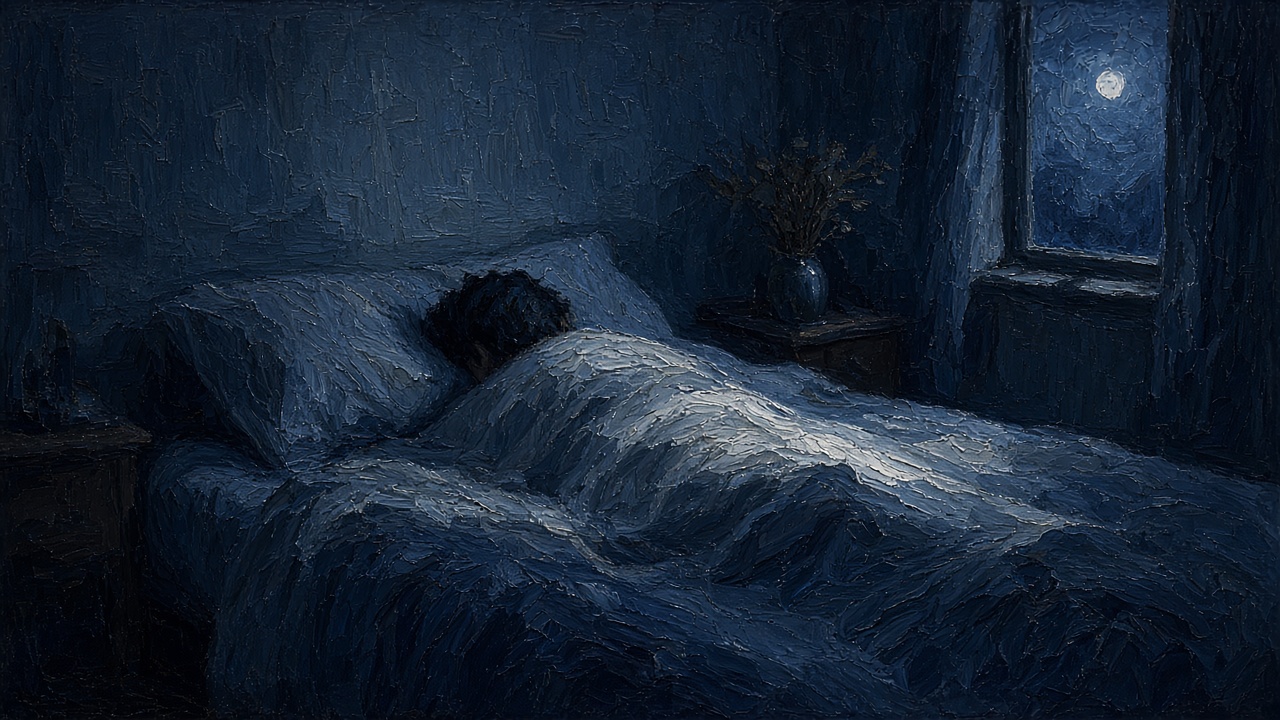
Sleep paralysis is a phenomenon that has intrigued and frightened many individuals across cultures and centuries. Often described as a feeling of being awake but unable to move, it typically occurs during the transition between sleep and wakefulness. Those who experience it often report vivid hallucinations and a sense of impending doom, leading to a deeply unsettling experience.
The phenomenon has been documented in various cultures, often attributed to supernatural causes. In some traditions, it is believed that malevolent spirits or entities are involved, leading to a rich tapestry of myths surrounding the experience. For instance, in some cultures, sleep paralysis is linked to the presence of a "night hag" or a similar figure that sits on the chest of the sleeper, preventing them from moving or breathing.
Despite the folklore, scientific explanations have emerged to explain sleep paralysis. It is thought to occur when the body is unable to transition smoothly between sleep stages, particularly REM (rapid eye movement) sleep, where dreams occur. During REM sleep, the body experiences atonia, a temporary paralysis of the muscles that prevents individuals from acting out their dreams. When a person becomes conscious before this paralysis has worn off, they may find themselves awake but unable to move, often accompanied by hallucinations.
Research indicates that sleep paralysis is more prevalent in individuals who suffer from sleep disorders such as narcolepsy, insomnia, or sleep deprivation. Stress and anxiety are also considered significant contributing factors. The experiences can vary widely; some individuals report feeling a weight on their chest, while others describe seeing shadowy figures or feeling a presence in the room.
While the scientific community continues to study sleep paralysis, the subjective nature of the experience means that it remains a topic of interest not only in medical circles but also in the realm of folklore and the paranormal. Many people seek to understand their experiences through both scientific and mystical lenses, leading to a blend of interpretations.
The emotional impact of sleep paralysis can be profound, with many individuals experiencing fear or anxiety about sleeping. This can lead to a cycle of sleep deprivation and heightened anxiety, further exacerbating the issue. As such, some experts recommend lifestyle changes, such as improving sleep hygiene and managing stress, as potential ways to mitigate the frequency of these episodes.
In summary, sleep paralysis is a complex phenomenon that straddles the line between the physiological and the paranormal. While science provides explanations rooted in sleep mechanics, the rich tapestry of cultural interpretations adds layers of intrigue to this unsettling experience. As research continues, the quest to fully understand sleep paralysis remains ongoing, with many questions still left unanswered.
Image: Paranormal Country · Source: lemonde.fr