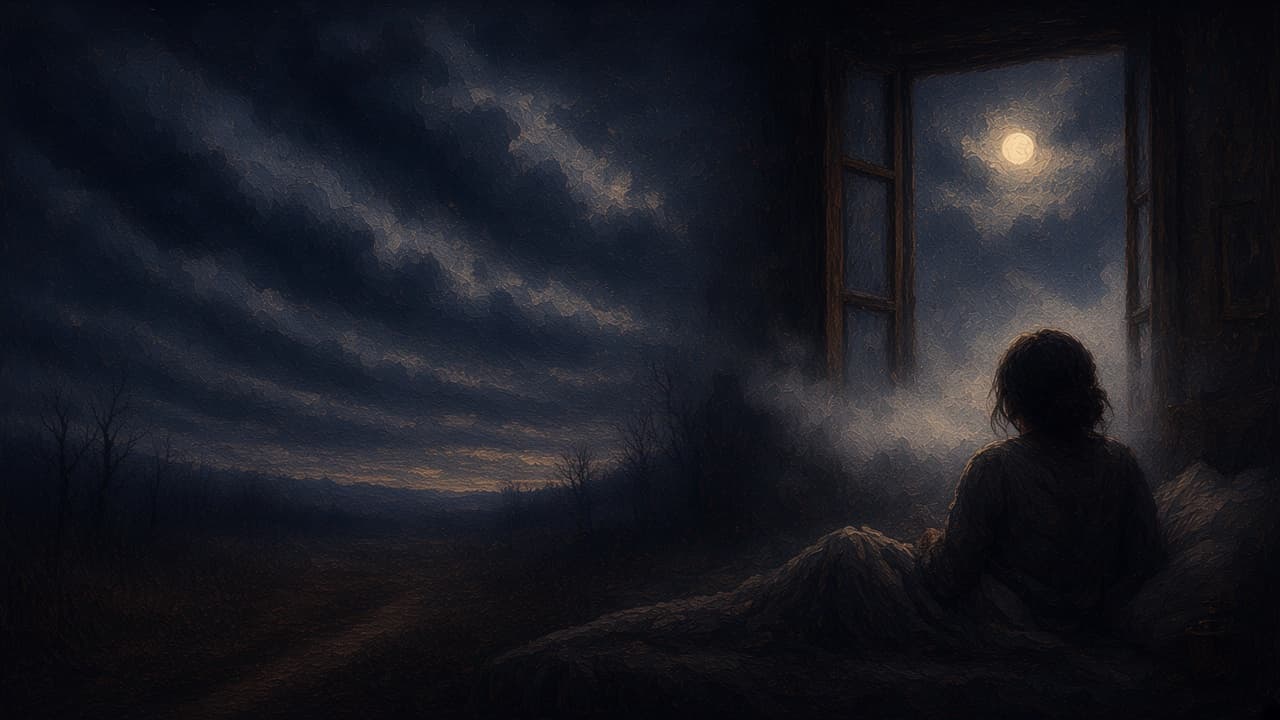
Sleep paralysis is a phenomenon that has been reported by many individuals, often accompanied by hypnagogic hallucinations. One contributor shared their experiences of sleep paralysis and hallucinations from childhood into adulthood, noting that these episodes began to lessen in frequency and severity in their 30s. They described experiencing severe perspective distortion, with oversized beds and rooms, as well as auditory hallucinations such as screaming and loud thumping. The contributor expressed uncertainty about whether they were asleep or awake during these episodes, highlighting the disorienting nature of the experience.
The contributor recounted that some episodes were akin to nightmares, with exceptionally vivid dreams that frequently interrupted their sleep. Upon gaining a better understanding of sleep paralysis as an adult, they found the experience less terrifying and more fascinating, despite acknowledging the fear that accompanies the physical state. Interestingly, they mentioned a sense of nostalgia for the otherworldliness of the experience, even recalling some of the most frightening episodes with a degree of fondness. They noted that the fear dissipates quickly once they are fully awake, although it can take some time to transition out of the state.
Another individual reflected on their own experiences with sleep paralysis, recalling that they had suffered from it long before learning about its existence at an exhibition. They described the experience as petrifying and expressed relief upon discovering that it was a recognized phenomenon. The contributor appreciated the efforts of researchers studying sleep paralysis, finding comfort in the validation that it is a real occurrence and not merely a figment of their imagination.
A third contributor shared their struggles with sleep paralysis, stating that it often left them afraid to sleep. They described an aspect of the experience that was more terrifying than the presence of monsters, as they were unable to move, open their eyes, or breathe while their mind remained awake. This individual had been diagnosed with acute anxiety syndrome in the early 1980s, suggesting a possible connection between anxiety and sleep paralysis. They expressed frustration at the lack of curiosity from medical professionals regarding sleep paralysis, which added to their fear.
Additionally, a contributor from Switzerland mentioned an old custom in the Alpine region aimed at warding off disturbances caused by a night spirit known as the Toggeli. Swiss farmers would fasten a Werchhechel, a tool for combing flax with long, pointed iron needles, to their chests to protect themselves from nocturnal tormentors that could induce sleep paralysis and severe nightmares.
These personal accounts illustrate the complex and often frightening nature of sleep paralysis, a topic that continues to intrigue both those who experience it and researchers in the field. While the experiences vary widely, the common thread of fear and confusion remains a significant aspect of this phenomenon. Paranormal Country has not confirmed these claims.
Image: Paranormal Country · Source: aol.co.uk