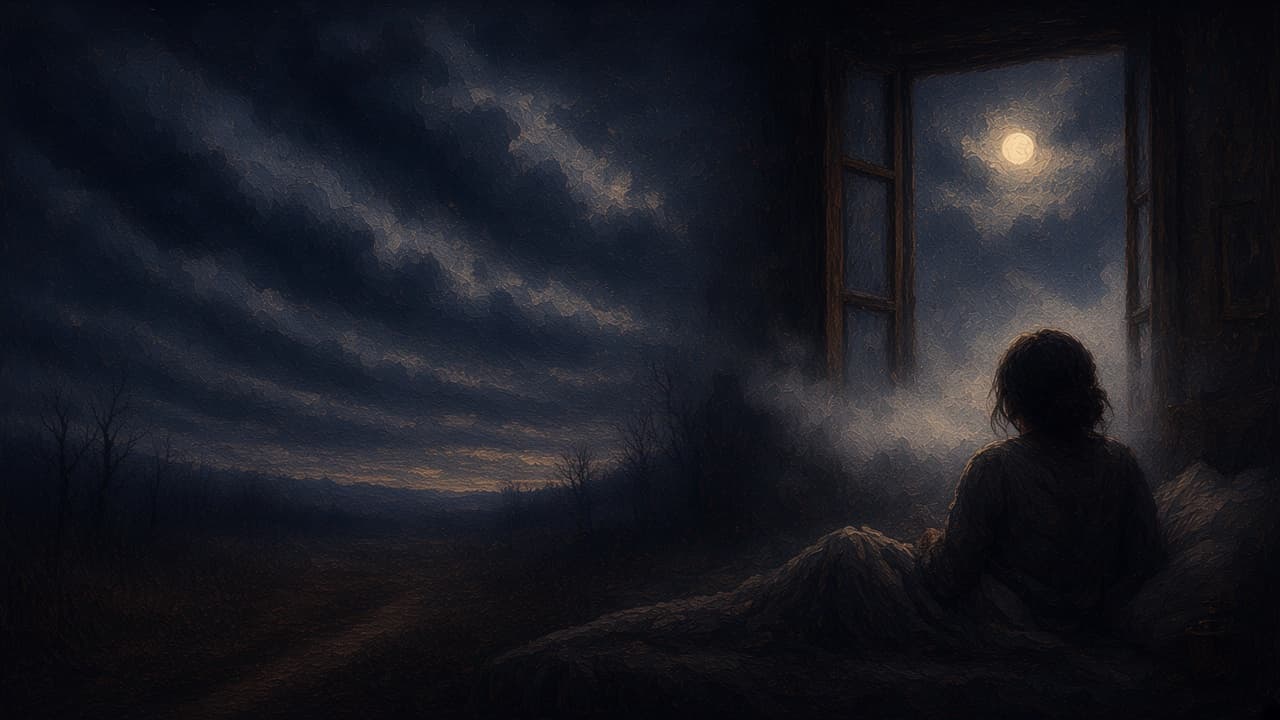
The Guardian’s weekend wrap of essential reads highlights various topics that provide a break from the often overwhelming news cycle. One of the featured articles discusses the work of Harvard neuroscientist Baland Jalal, who has dedicated his career to studying sleep paralysis, a phenomenon described as a 'brain glitch' that can induce intense fear and trauma. This condition affects approximately one in five people, yet the underlying mechanisms remain largely unexplored. Jalal, who has personally experienced sleep paralysis, believes that these episodes may offer insights into the complexities of the human mind. The sensations reported during sleep paralysis can be alarming, with individuals often feeling immobilized and vulnerable as they perceive an ominous presence nearby. Cultural narratives surrounding sleep paralysis vary globally, with some regions, such as Italy and Egypt, having rich histories of folklore that explain these terrifying experiences. Jalal notes that such stories can influence the frequency and intensity of sleep paralysis episodes, as individuals may associate their experiences with cultural myths of nighttime predators.
Another article delves into the presence of ring-necked parakeets in London, exploring their dual identity as both a beloved urban feature and a potential ecological threat. These birds, known for their vibrant green plumage, have been in Britain for decades, but their growing populations have raised concerns among some environmentalists. Evidence from countries like Belgium and Spain suggests that parakeets may outcompete native species, particularly the Eurasian nuthatch, leading to declines in local bird populations. While some view the parakeets as a nuisance to agriculture, many Londoners appreciate their presence, viewing them as a lively addition to the city’s landscape. Nick Hunt, author of 'The Parakeeting of London,' emphasizes the joy these birds bring amidst a backdrop of urban decline.
In a different vein, an article discusses a recent cyber-attack that affected refrigeration units across Europe, leading to alarming temperature increases. Alex Pearce, a fruit and vegetable business owner in London, discovered that the malfunction was a result of a cyber-attack when he unplugged the internet connection to his fridges. Experts warn that as artificial intelligence continues to evolve, the frequency of such cyber-attacks may rise, posing risks to various sectors, including healthcare and infrastructure.
Lastly, the wrap features a lighthearted exploration of laundry science, where Victoria Turk investigates stubborn laundry problems through the lens of online forums. Eric Thompson, known online as KismaiAesthetics, advocates for a science-based approach to tackling persistent stains and odors, moving away from popular social media hacks to embrace methods rooted in green chemistry. His techniques emphasize the importance of patience and the natural properties of water in achieving effective cleaning results.
These articles from The Guardian provide a mix of thought-provoking and entertaining content, reflecting on the complexities of human experience, environmental concerns, and practical life hacks.
Image: Paranormal Country · Source: theguardian.com